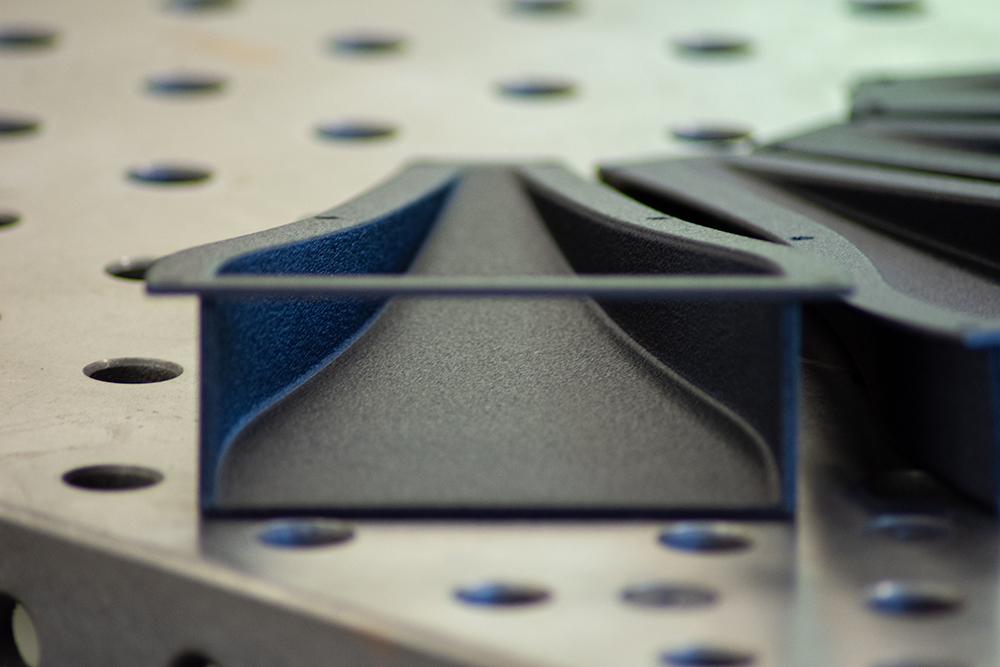
Additive Manufacturing Services in Engineering-Grade Materials
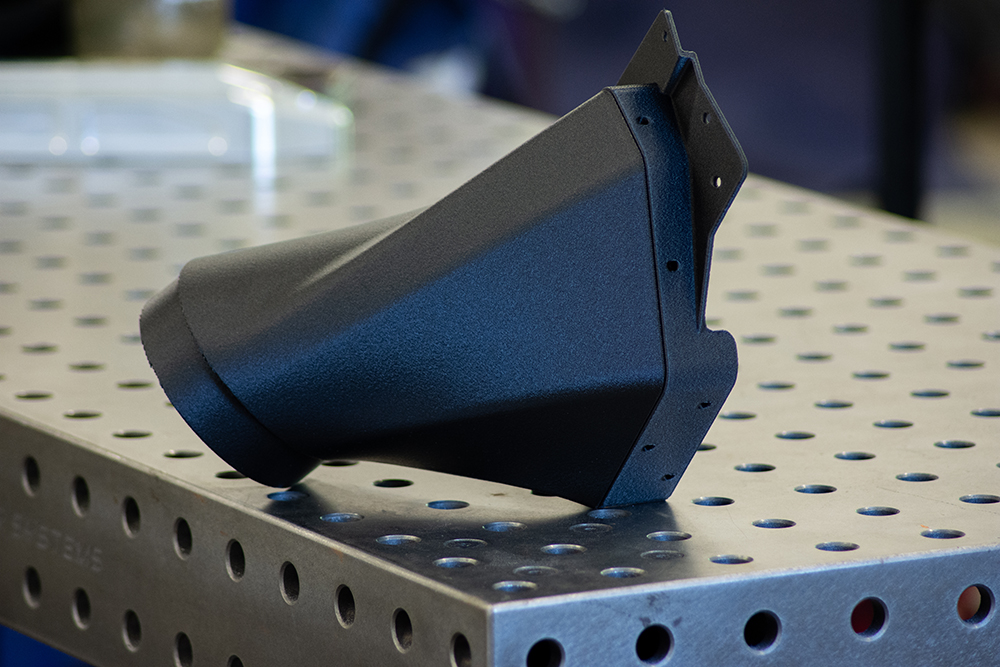
When people hear 3D printing they often picture brittle desktop trinkets. That is not what we do. Our additive manufacturing in New England runs engineering-grade filaments, the carbon-fiber nylons and high-temperature materials that hold up under heat, load, and real working conditions. If you need a functional part, a piece of tooling, or a lightweight structural component, industrial 3D printing and carbon fiber 3D printing open doors that machining alone cannot.
Additive is not the right answer for every part, and we will tell you when it is not. But for complex geometry, lightweight structures, fast functional prototypes, and parts that would be a nightmare to machine, printing in the right material can save you serious time and money. The trick is matching the filament to the job, and that is where the conversation starts.
The Questions We Ask Before We Print
- Temperature. How hot or cold does the part get, and for how long?
- Chemicals and UV. What environment and exposure will it live in?
- Strength. What loads and forces will it see, and where?
- Tolerance and finish. How accurate does it need to be, and which surfaces matter?
Ask an Expert
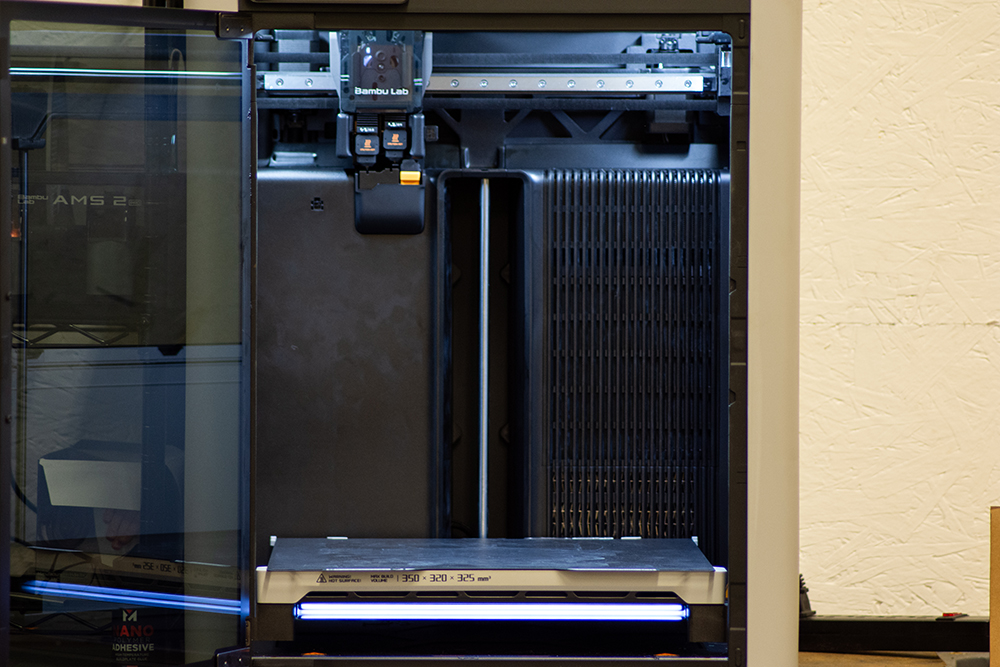
Build Volume and Designing for Additive
Pick the Right Filament for the Job
- Carbon-fiber nylons such as PAHT-CF, PA6-CF, PA12-CF, and PPA-CF
- High-temp and chemical-resistant PPS-CF
- Accurate tooling materials like PET-CF and ABS-CF
- Exterior and UV-stable ASA and ASA-CF
- Tough PC and flexible TPU